Manufacturing Process
Passivation
Chemical surface treatment used to help stainless steel form and maintain a clean passive layer after machining or fabrication.
Process Overview
Passivation for industrial component production
Chemical surface treatment used to help stainless steel form and maintain a clean passive layer after machining or fabrication.
Process selection should be confirmed by material, geometry, tolerance, surface finish, quantity, application environment and inspection requirement.
Engineering Process Data Materials, advantages, limitations, finish, quality, and applications.
Engineering Data
Materials, advantages, limitations and applications
Typical Materials
- 304
- 316
- 316L
- Duplex Stainless Steel by requirement
Advantages
- Supports corrosion resistance
- Removes surface contamination
- Good final step for stainless parts
Limitations
- Does not replace correct material selection
- Surface defects and severe environments still need engineering review
Typical Products
- Fasteners
- Machined parts
- Marine hardware
Surface Finish
Finish depends on material and application
Clean passive stainless surface; cosmetic appearance depends on prior finish.
Quality Control
Inspection points for process review
Related Products
Products using Passivation
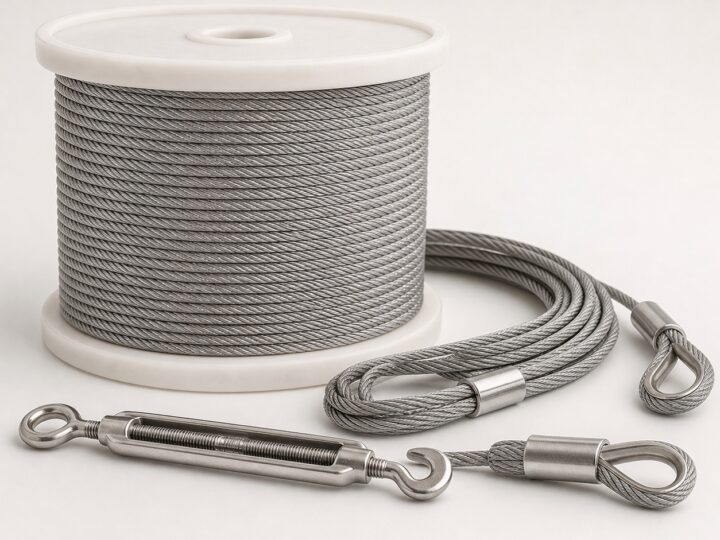
Custom Stainless Steel Wire Rope and Cable Assemblies
304 Stainless Steel; 316 Stainless SteelCustom SS304 and SS316 stainless steel wire rope and cable assemblies for architectural, marine, safety and industrial tensioning applications. Cut-to-length…
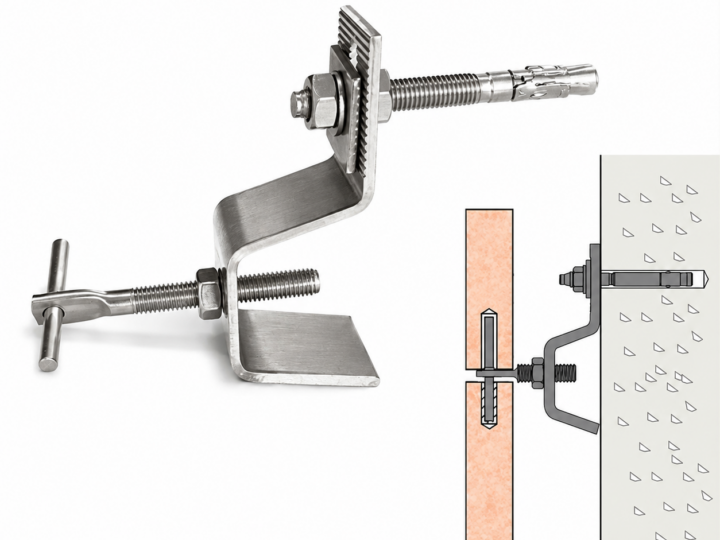
ADS01 Stainless Steel Z Bracket Stone Fixing System
SS304 / SS316; EN 1.4301 / 1.4401 / 1.4404 / 1.4571 available upon requestADS01 stainless steel Z bracket stone fixing system for marble and stone cladding projects, with reference configurations for projection, load,…
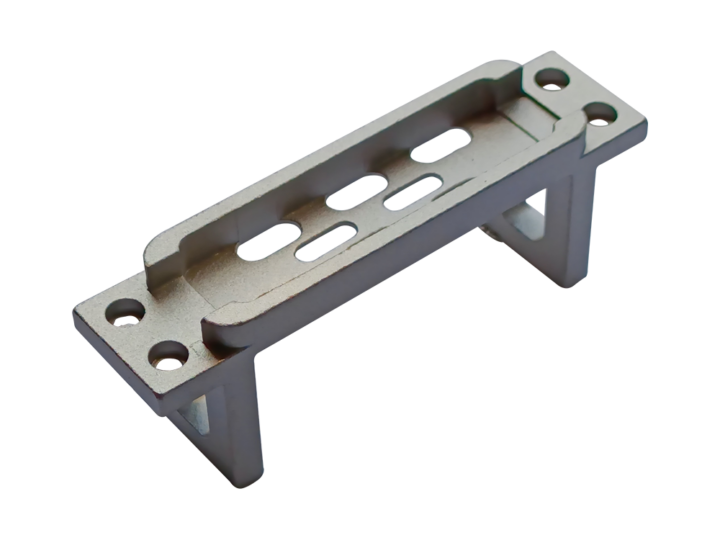
Custom Silica Sol Casting for Textile Equipment Accessories & Spare Parts
Stainless SteelCustom Silica Sol Casting for Textile Equipment Accessories & Spare Parts Aodson is a leading manufacturer specializing in high-precision investment…
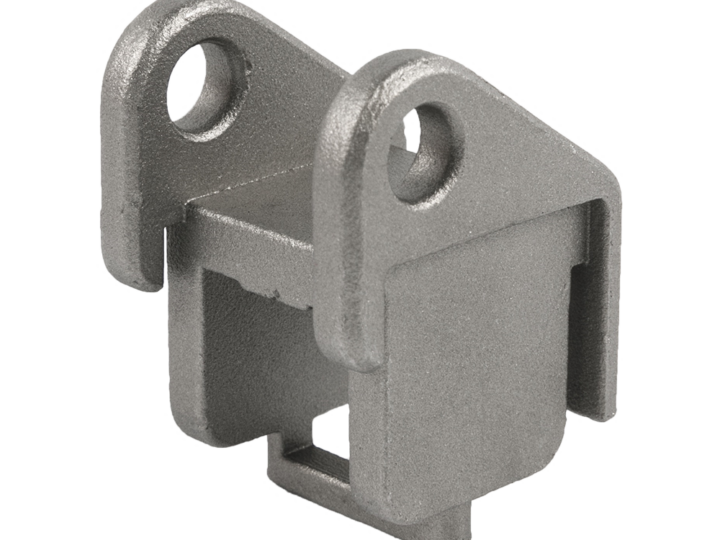
OEM Automotive Hardware Manufacturer: Precision Casting Stainless Steel Spares
Stainless SteelOEM Automotive Hardware Manufacturer: Precision Casting Stainless Steel Spares Aodson is a premier precision casting factory dedicated to producing high-performance…
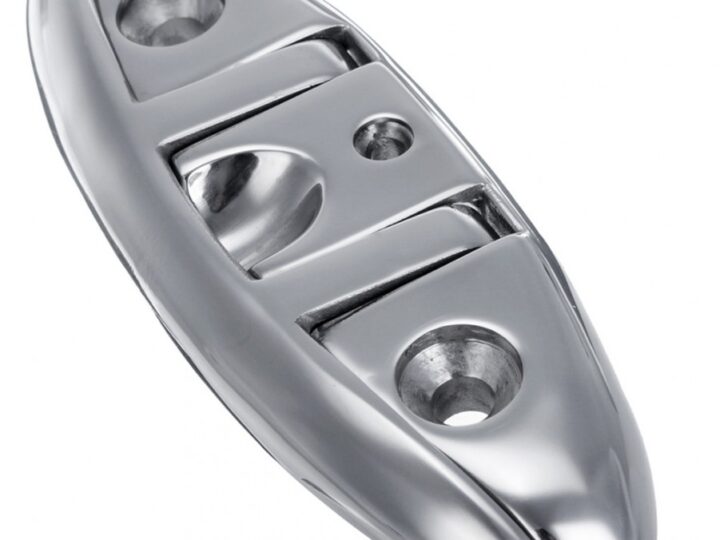
316L Stainless Steel Boat Handrails with Mirror Finish
316L Stainless SteelPremium marine stainless steel handlesPrecision Casting Stainless Steel 316L Boat Handrails with High-Mirror FinishPremium marine stainless steel handles
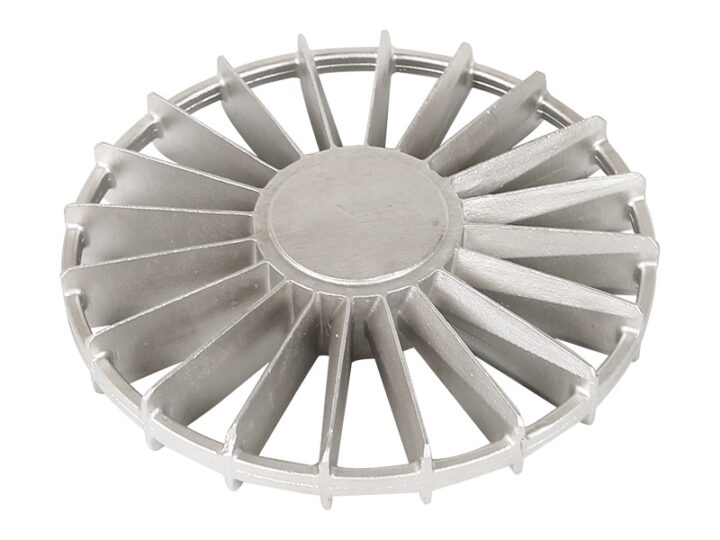
Tailored Stainless Steel Impeller Solutions: Corrosion-Resistant & Dynamically Balanced
2205 Duplex Stainless SteelTailored Stainless Steel Impeller Solutions: Corrosion-Resistant & Dynamically Balanced Aodson provides professional OEM customization for high-performance impellers, specializing in advanced…
Related Resources & FAQ Guides, capabilities, materials, industries, and process questions.
Related Blog Articles
Technical guides on the official AODSON website
Related Capability Pages
Capability details remain on the main site
Related Materials & Industries
Connect process selection with material and application context
Related Materials
- 304 Stainless Steel
- 316 Stainless Steel
- 316L Stainless Steel
- 2205 Duplex Stainless Steel
Industries
- Marine
- Food Processing
- Chemical
FAQ
Process selection questions
Can AODSON recommend a process from drawings?
Yes. Send drawings, samples, material, quantity and application details for RFQ review.
Is the same process suitable for every material?
No. Material grade, geometry, tolerance and surface finish determine the suitable process route.
Can casting and machining be combined?
Yes. Many complex parts use casting for shape and machining for critical dimensions.
Request for Quote
Need process review for custom manufacturing?
Send drawings, material grade, tolerance, finish, quantity and operating environment for manufacturing review.